
Uranium Market
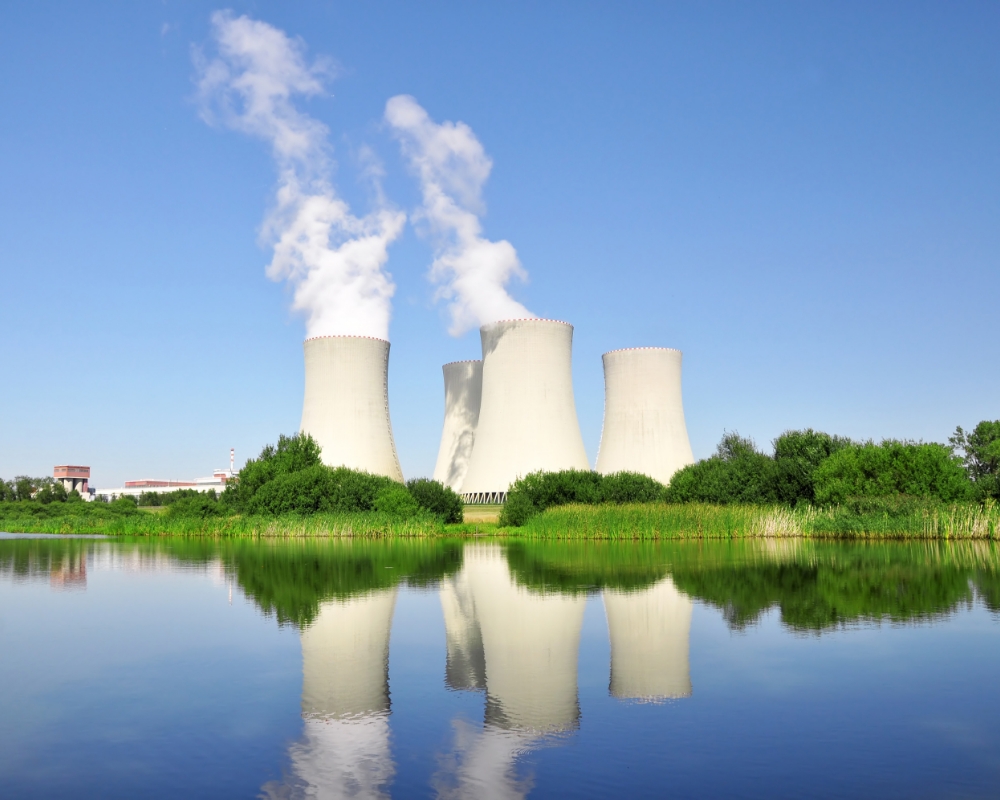
Uranium is essential to the future of clean, reliable and secure energy
As the fuel used in nuclear power generation, uranium plays a critical role in supporting low-emissions baseload electricity. With governments, utilities and major energy users increasingly focused on energy security, decarbonisation and reliable power supply, nuclear energy is regaining prominence globally — creating a strengthening long-term outlook for uranium.
Uranium and nuclear energy
Uranium is a naturally occurring metal that is mined, processed and used as fuel in nuclear reactors. Nuclear power plants provide large-scale, reliable, low-emissions electricity and are increasingly recognised as a key part of the global energy mix – currently supplying 10% of global electricity.
The International Atomic Energy Agency has raised its nuclear power projections for five consecutive years. In its high-case scenario, global nuclear generating capacity is projected to more than double by 2050, reaching approximately 2.6 times the 2024 level.
This growing support reflects three major global priorities:
- Energy security – securing reliable, long-term electricity supply.
- Decarbonisation – reducing emissions while maintaining industrial-scale power generation.
- Baseload reliability – supporting electricity grids with consistent, 24/7 power.
The uranium market
Uranium has a distinct market structure compared with many other mined commodities. Rather than being primarily traded through large public exchanges, uranium is generally bought and sold through direct negotiations between nuclear utilities, producers and other fuel-cycle participants.
Long-term supply agreements are an important feature of the sector because nuclear utilities plan fuel procurement years in advance. This reflects the long operating lives of nuclear reactors, the need for secure and reliable fuel supply, and the technical requirements involved in converting mined uranium into reactor-ready fuel.
Uranium market conditions are influenced by several key factors:

Nuclear power demand
Growth in reactor construction, reactor restarts, life extensions and rising nuclear generation all contribute to future uranium demand.

Utility procurement cycles
Nuclear utilities typically manage fuel requirements over long timeframes. Periods of increased contracting activity can occur when utilities seek to secure future supply.

Supply availability and project development timelines
Uranium projects can require significant time to permit, finance, develop and bring into production. This can create a delay between improved market conditions and the delivery of new mine supply.

Energy security and geopolitical factors
Governments and utilities are increasingly focused on secure, diversified and reliable sources of nuclear fuel, particularly as nuclear energy becomes more prominent in long-term energy policy.